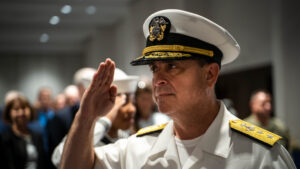
Navy’s Cahill nominated for SWO boss, Air Force’s Tulley for AMC
Rear Adm. Joseph Cahill is currently the commander of Naval Surface Forces Atlantic.
Rear Adm. Joseph Cahill is currently the commander of Naval Surface Forces Atlantic.
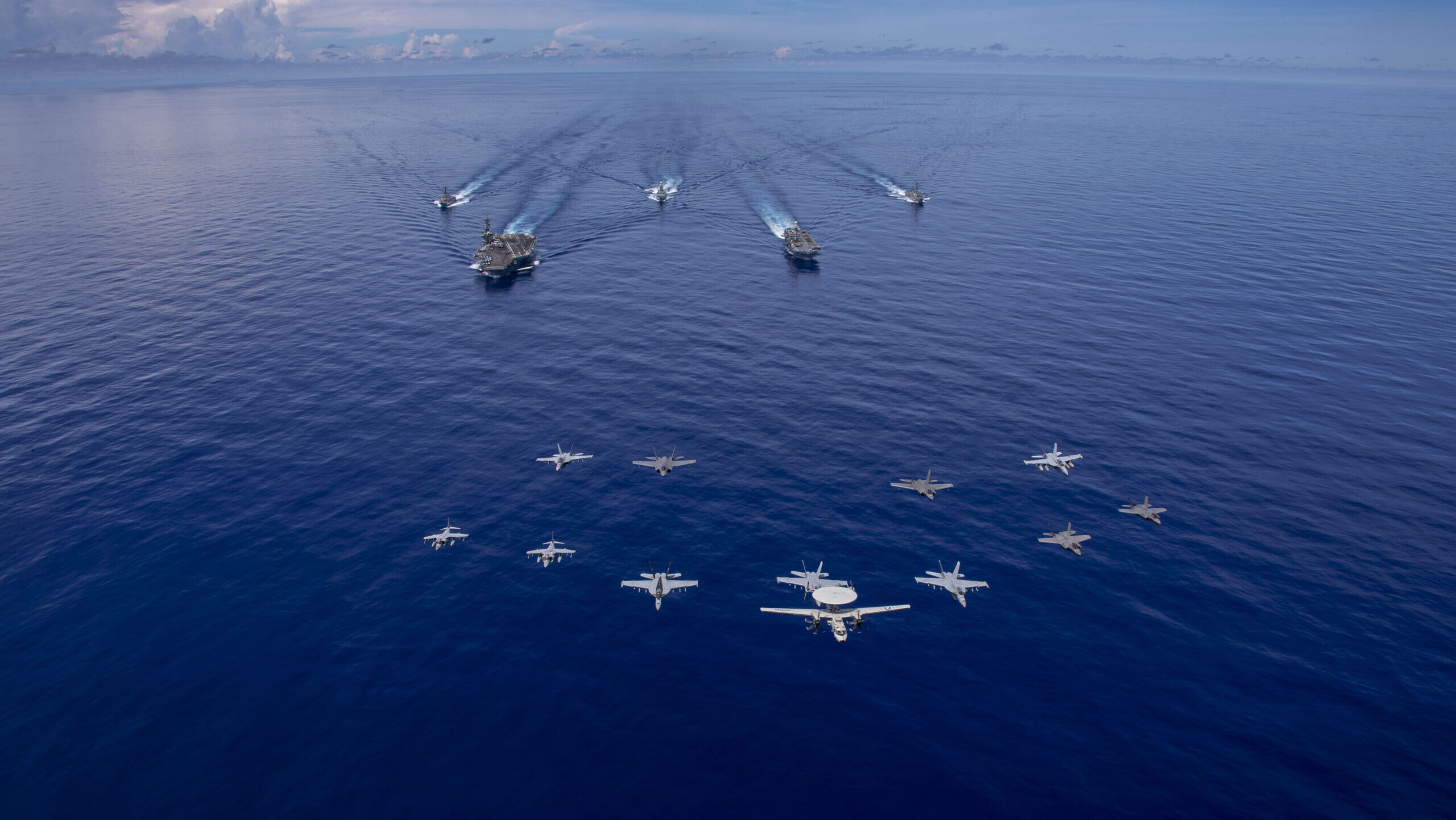
The push for higher surge readiness comes at a time when the Navy's operational commitments globally are rising, to include at the United States's southern border.


"Being able to tell the commander you don't need to do something is actually a pretty powerful message, as well."
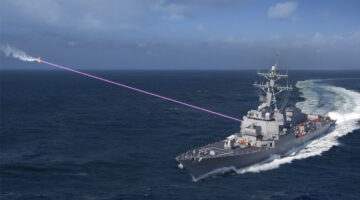
More Navy leaders as of late have been publicly bemoaning the service's inability to scale functional laser weapon systems.
“We can’t continue to do things the way we have been. We can’t just work harder or try harder at the processes that we have so far,” Vice Adm. Brendan McLane told reporters.

The vice chief's remarks represent some of the first public comments Navy leadership has made on the Dec. 22 friendly fire incident.

“How long can our magazines maintain this?” Marine Corps Lt. Gen. Karsten Heckl said of using million-dollar missiles to knock down less expensive drones.


Lithium-metal batteries are one way to break the weight and endurance limits of today’s unmanned systems.
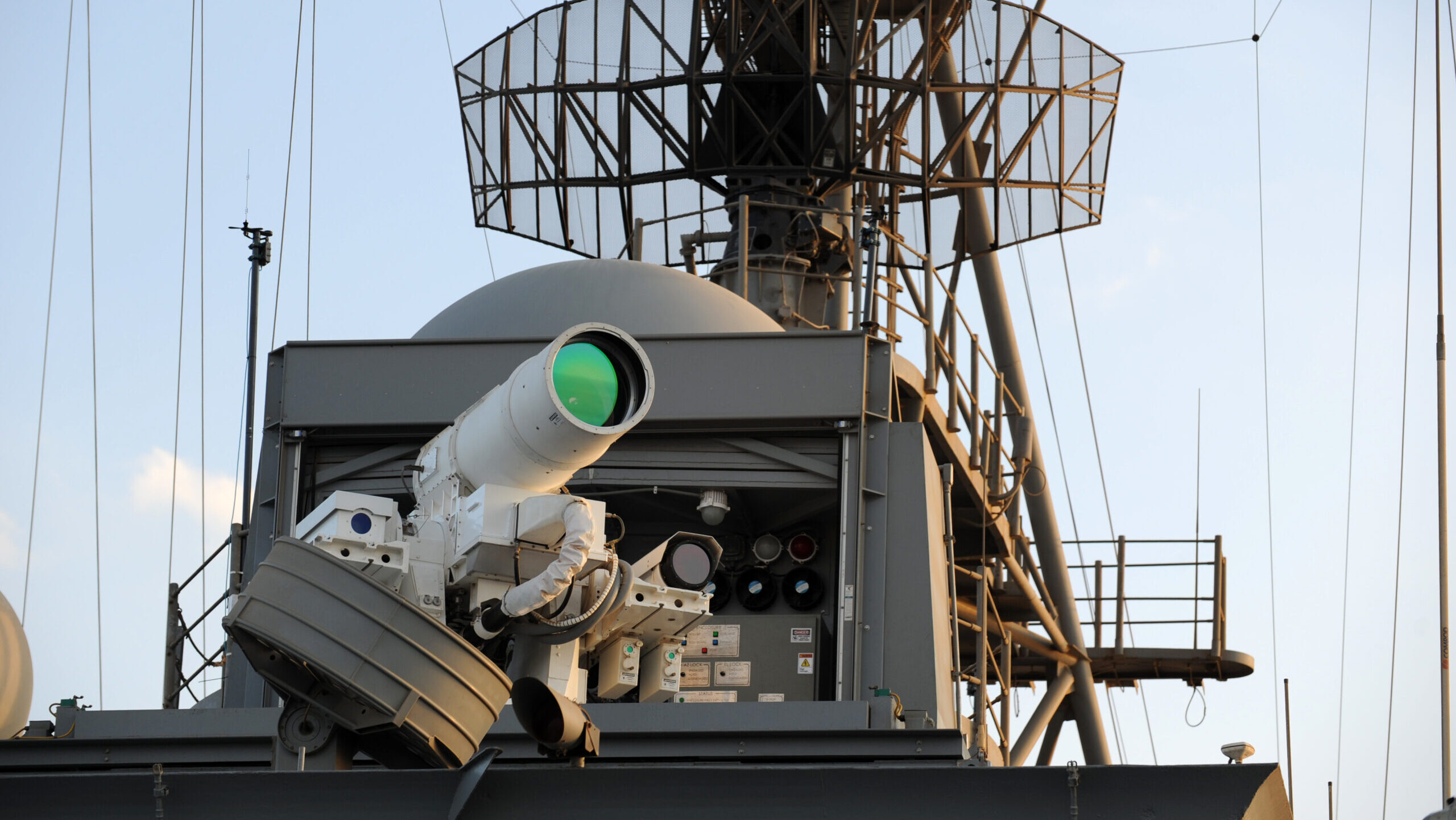
There's no lack of excitement in the Navy about the idea of an operational laser on a ship underway, but the service must be more "intellectually honest" about what's possible, Rear Adm. Fred Pyle said at the Surface Navy Association's annual symposium.
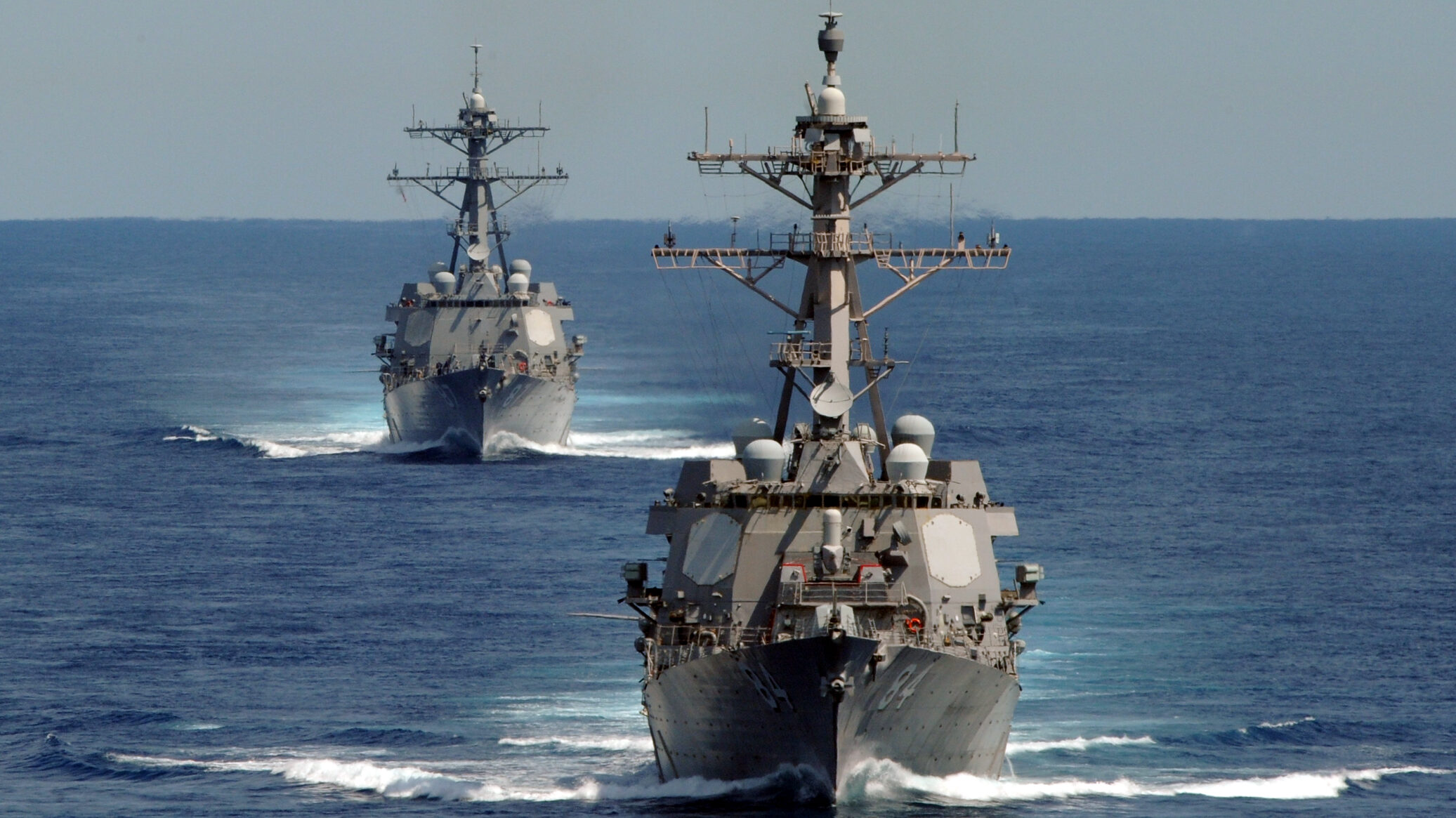
Vice Adm. Brendan McLane told reporters his forces, on average, have between 50 and 60 ships at a mission-capable status on any given day.